





















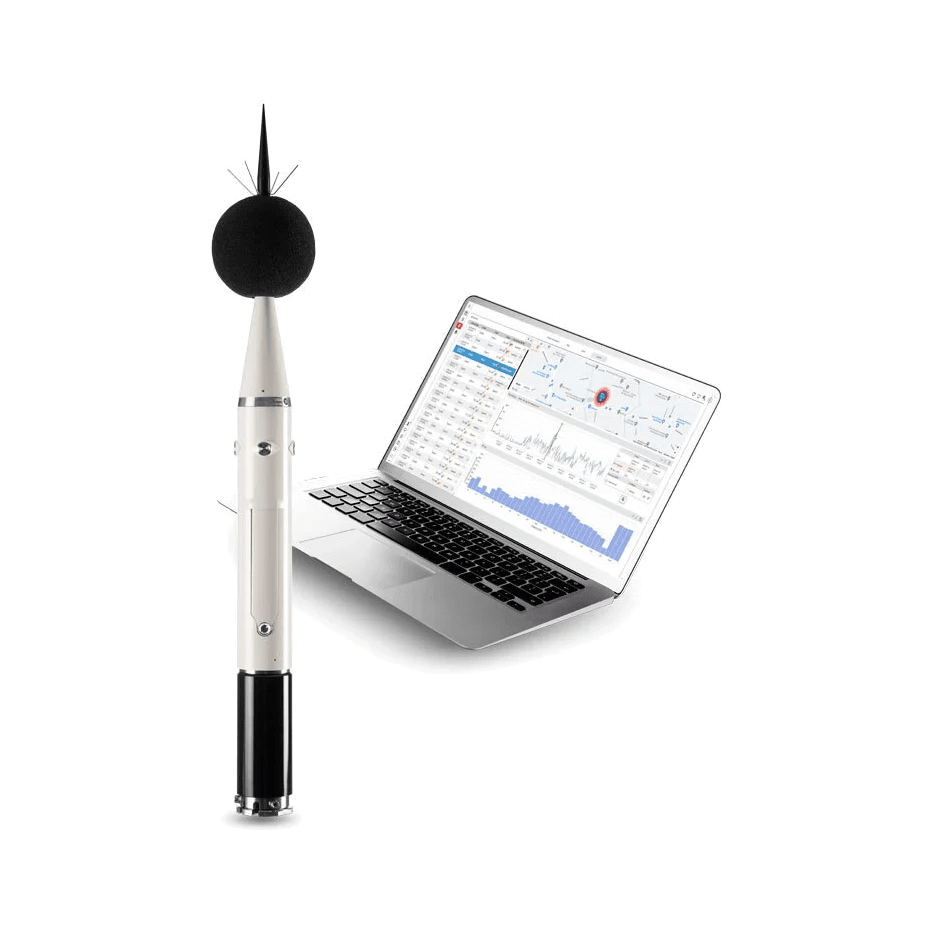
Svantek SvanNET AI-4 Noise Sources Identification
Använd vår chatt för personlig support. Eller kontakta oss via +46 73-202 00 59 eller sales@GOmeasure.se
- Allow to recognise 250.000 events in 12 months since activation
- AI-powered noise classification using machine learning to automatically identify environmental sound sources
- Real-time sound source recognition and classification of noise events as they occur
- Detection and classification of 27+ sound categories, including traffic, construction, industrial, and natural sounds
- Audio event classification based on trigger-driven recordings
- Confidence scoring for each classification to indicate result reliability
- Designed specifically for environmental and urban noise monitoring applications
- Integration with the SvanNET cloud platform for centralized monitoring and data management
- Automated reporting and visualization of noise data for analysis and documentation
- Scalable architecture supporting multi-site and large-area monitoring networks

Upptäck möjligheterna
Mer information
Beskrivning
SvanNET AI is a Svantek proprietary functionality for SvanNET AMS, an online solution that supports multi-point connection with Svantek’s noise and vibration monitoring stations. The AI module enables automatic noise source recognition and classification by using artificial intelligence and machine learning. This AI system employs machine learning algorithms to analyze recorded audio data, accurately categorizing sound sources into 27 distinct classes, such as industrial noise, traffic, and natural sounds. By automating the noise source identification process, SvanNET AI provides precise and real-time noise monitoring, enabling cities to manage urban noise pollution more effectively.
What is noise sources identification?
In acoustics, noise sources identification is crucial for effective noise control. By recognizing the source of noise, acoustic engineers can identify where design changes will most effectively improve the overall noise radiation. The main applications are in product design and environmental noise management. In product design, classic analog methods such as beamforming, microphone arrays, or frequency analysis are used. However, in environmental noise, the large amount of data makes it impossible to scale manually. Particularly with traffic noise, acousticians must identify types of vehicles (car, truck), types of trains (cargo, passenger), or aircraft passages, and count them per day or week to evaluate long-term patterns. AI solves this problem by efficiently processing large datasets and providing scalable and accurate noise source identification.
Features
Noise Sources Identification
Accurately identifies and categorizes noise sources in real-time.
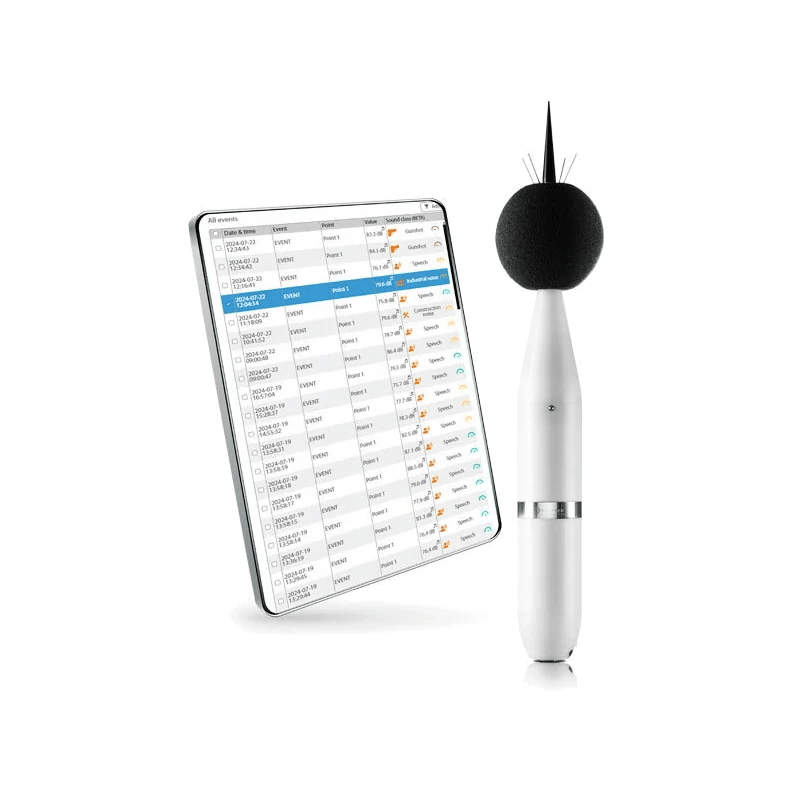
SvanNET AI excels in noise sources identification, using advanced machine learning algorithms to analyze recorded audio data. It can classify sound sources into 27 distinct categories, such as industrial noise, traffic, construction, and natural sounds. This precise identification enables cities to monitor and manage noise pollution more effectively, ensuring targeted noise control measures and improved urban living conditions.

Audio Events Classification
Classifies specific audio events using event triggers and real-time analysis.
SvanNET AI provides robust audio events classification by recording WAVE files with at least 16 kHz sampling rate and using event triggers to capture noise events. This system can classify and analyze specific noise events in real-time, offering immediate detection and categorization of sources. This capability allows for timely responses to noise pollution issues and supports detailed analysis of noise patterns in urban environments.

Automatic Reporting
Generates detailed reports with prediction confidence and data visualization.
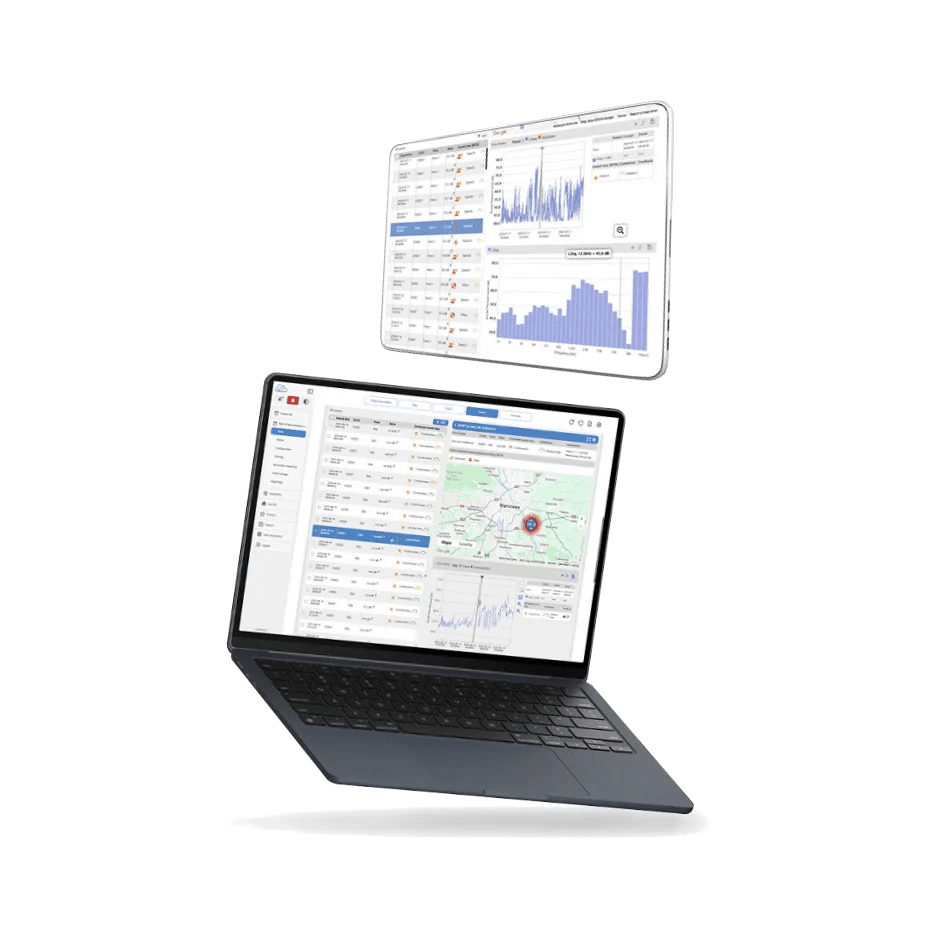
SvanNET AI automates the reporting process, providing comprehensive and detailed reports on noise data. The system includes prediction confidence levels for each identified noise event, helping users understand the reliability of classifications. Additionally, SvanNET AI produces visualizations such as charts with sound classes and markers, making it easier to interpret and analyze noise data. This automatic reporting feature simplifies the management of urban noise, supporting informed decision-making and efficient noise control strategies.

Applications
Environmental Noise
SvanNET AI can classify sound sources into 28 distinct categories.
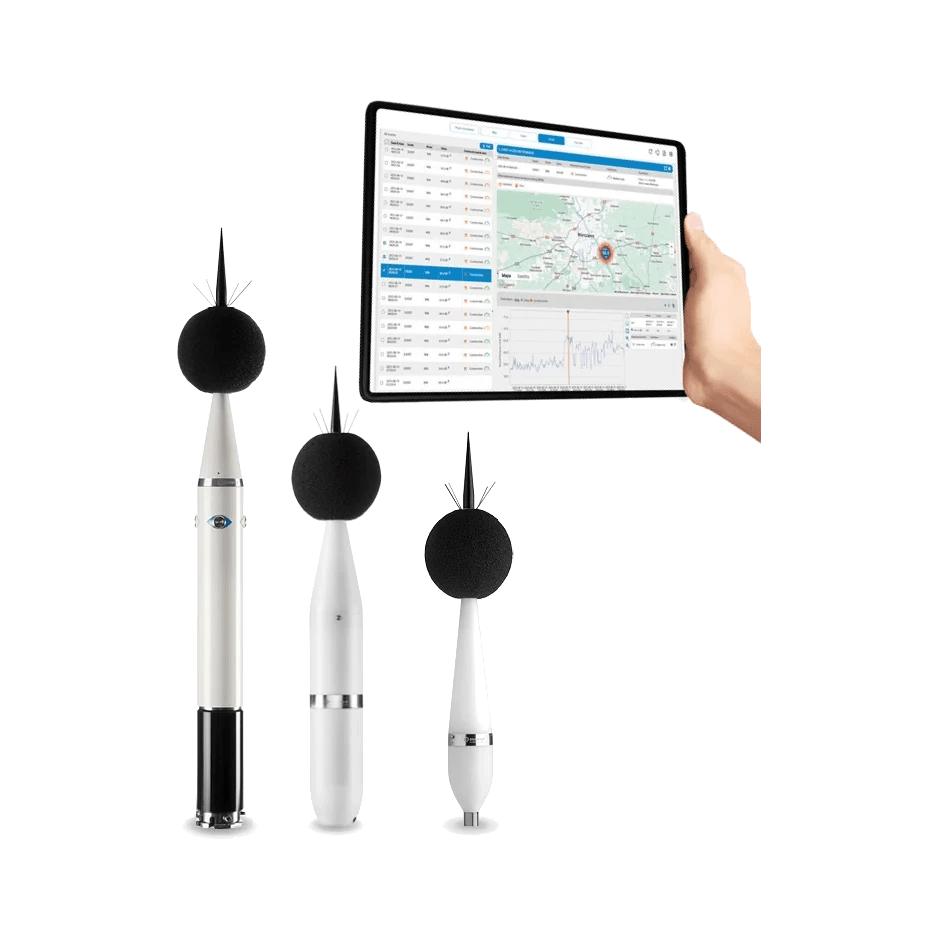
The main application of SvanNET AI is in environmental noise management, particularly for urban noise and traffic. It is used to monitor, identify, and categorize various noise sources in cities, helping authorities and planners implement targeted noise reduction measures. By providing accurate and real-time data on noise pollution, SvanNET AI supports the development of effective strategies to mitigate the adverse effects of urban noise on public health and improve overall urban living conditions.

Dokument
Alternativ
Video
SvanNET AI functionality
Watch a new handy video about the SvanNET AI functionality that can be used for automatic noise source classification.
SvanNET AI is a Svantek proprietary functionality for SvanNET AMS, an online solution that supports multi-point connection with Svantek’s noise and vibration monitoring stations. The AI module enables automatic noise source recognition and classification by using artificial intelligence and machine learning. This AI system employs machine learning algorithms to analyze recorded audio data, accurately categorizing sound sources into 27 distinct classes, such as industrial noise, traffic, and natural sounds. By automating the noise source identification process, SvanNET AI provides precise and real-time noise monitoring, enabling cities to manage urban noise pollution more effectively.
What is noise sources identification?
In acoustics, noise sources identification is crucial for effective noise control. By recognizing the source of noise, acoustic engineers can identify where design changes will most effectively improve the overall noise radiation. The main applications are in product design and environmental noise management. In product design, classic analog methods such as beamforming, microphone arrays, or frequency analysis are used. However, in environmental noise, the large amount of data makes it impossible to scale manually. Particularly with traffic noise, acousticians must identify types of vehicles (car, truck), types of trains (cargo, passenger), or aircraft passages, and count them per day or week to evaluate long-term patterns. AI solves this problem by efficiently processing large datasets and providing scalable and accurate noise source identification.
Features
Noise Sources Identification
Accurately identifies and categorizes noise sources in real-time.
SvanNET AI excels in noise sources identification, using advanced machine learning algorithms to analyze recorded audio data. It can classify sound sources into 27 distinct categories, such as industrial noise, traffic, construction, and natural sounds. This precise identification enables cities to monitor and manage noise pollution more effectively, ensuring targeted noise control measures and improved urban living conditions.
Audio Events Classification
Classifies specific audio events using event triggers and real-time analysis.
SvanNET AI provides robust audio events classification by recording WAVE files with at least 16 kHz sampling rate and using event triggers to capture noise events. This system can classify and analyze specific noise events in real-time, offering immediate detection and categorization of sources. This capability allows for timely responses to noise pollution issues and supports detailed analysis of noise patterns in urban environments.
Automatic Reporting
Generates detailed reports with prediction confidence and data visualization.
SvanNET AI automates the reporting process, providing comprehensive and detailed reports on noise data. The system includes prediction confidence levels for each identified noise event, helping users understand the reliability of classifications. Additionally, SvanNET AI produces visualizations such as charts with sound classes and markers, making it easier to interpret and analyze noise data. This automatic reporting feature simplifies the management of urban noise, supporting informed decision-making and efficient noise control strategies.
Applications
Environmental Noise
SvanNET AI can classify sound sources into 28 distinct categories.
The main application of SvanNET AI is in environmental noise management, particularly for urban noise and traffic. It is used to monitor, identify, and categorize various noise sources in cities, helping authorities and planners implement targeted noise reduction measures. By providing accurate and real-time data on noise pollution, SvanNET AI supports the development of effective strategies to mitigate the adverse effects of urban noise on public health and improve overall urban living conditions.
SvanNET AI functionality
Watch a new handy video about the SvanNET AI functionality that can be used for automatic noise source classification.